
Whole-Home Generators for Central and Southern Ohio: Everything You Need to Know Before You Buy
If you lost power for more than a day last winter — no heat, no lights, food in the refrigerator starting to warm, maybe a sump pump that stopped working just as snowmelt was soaking the ground — you already know the answer to whether a whole-home generator is worth it.
Power outages in Central and Southern Ohio are no longer just seasonal inconveniences. Ice storms, high wind events, and grid stress during extreme heat and cold have made multi-day outages a real possibility for Fairfield County and the surrounding area.
We've been installing and servicing whole-home standby generators for Central and Southern Ohio homeowners for years, and we get a lot of the same questions. This guide answers them - honestly, without hype.
What Is a Whole-Home Standby Generator?
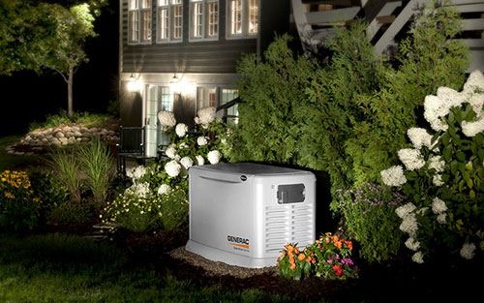
A whole-home standby generator is a permanently installed backup power system connected to your home's electrical panel and fueled by natural gas or propane. Unlike a portable generator, it turns on automatically - typically within seconds of a power outage - and runs until utility power is restored.
You don't have to be home. You don't have to pull a cord. You don't have to store fuel. It just works.
The system uses an automatic transfer switch that monitors your utility power. The moment it detects an outage, it signals the generator to start and transfers your home's circuits to generator power - all without any action from you.
What Can a Whole-Home Generator Power?
It depends on the size of the generator and how your system is configured. Here's the general breakdown:
Essential Circuits (Smaller Generator, 11–16 kW)
Furnace or heat pump
Refrigerator and freezer
Sump pump
Lighting in key areas
Phone charging and internet
One or two large appliances
Whole-Home Power (20 kW and Above)
Everything above, plus central air conditioning
Electric water heater or full-home water heating
Electric range or oven
Garage doors, security systems, and smart home devices
Full lighting throughout the home
For most Central and Southern Ohio homes, a 20–22 kW generator handles everything without compromise. We size generators based on a load calculation specific to your home - not a guess.
The Questions Homeowners Ask Most Often
Q: How much does a whole-home standby generator cost in Central and Southern Ohio?
A: The honest answer is a range: installed costs for a residential standby generator typically run from around $5,000 on the lower end for a smaller essential-circuits system, up to $15,000–$20,000 for a larger whole-home system with all permits, installation, and an automatic transfer switch included. The size of the unit, the complexity of the installation, and your existing gas or propane infrastructure all affect the price. We'll give you a real number after we've assessed your home - not a figure pulled from thin air.
Q: Natural gas or propane - which is better for a generator?
A: If your home has natural gas service, natural gas is usually the right answer. The supply is continuous - you never run out of fuel during an extended outage - and it's typically the most cost-efficient option. Propane is an excellent alternative for homes without natural gas access. We'll look at your property and existing infrastructure and give you an honest recommendation.
Q: How big of a generator do I need for my house?
A: We calculate this based on your home's actual load - the combined wattage of the appliances and systems you want to keep running. A generator that's too small can overload. One that's too large costs more than necessary, both upfront and in fuel. We do a proper load calculation before we recommend anything.
Q: Will a generator increase the value of my home?
A: According to real estate data from Central and Southern Ohio, yes. Whole-home generators are increasingly listed as a desirable feature by buyers, and industry data suggests homeowners typically recoup 50–70% of installation costs through increased resale value. In a market where buyers are concerned about power reliability, it's a meaningful differentiator.
Q: How often does a standby generator need maintenance?
A: Standby generators run a brief self-test weekly - you'll hear it cycle for a few minutes. Beyond that, they require annual professional service: oil change, filter inspection, spark plug check, and overall system test. We offer maintenance agreements that cover generator service on the same schedule as your HVAC systems.
Q: How long does installation take?
A: Most residential generator installations take one to two days. We handle everything - permits, the transfer switch, fuel line connections (if natural gas), and final inspection. Ohio requires permits for generator installations, and we know the codes for Fairfield County and the surrounding region.
Q: Is spring a good time to install a generator?
A: It's one of the best times. Spring and early summer are before the peak demand season for generator installs, which typically happens after a major fall or winter outage. Getting on the schedule now means your system is in place before the next ice storm or summer thunderstorm season. We'd rather install it when there's no urgency than after you've already been through an outage.
Why Central and Southern Ohio Homeowners Need Backup Power More Than Ever
Grid stress is real. Summer heat waves and winter cold snaps both push the electrical grid to its limits, and when the grid struggles, Central and Southern Ohio is not immune. Add in the ice storms and high-wind events that have knocked out power for days at a time in recent years, and the case for a standby generator isn't difficult to make.
Beyond the inconvenience, think about what an extended outage actually costs:
A full refrigerator and freezer — several hundred dollars in food
A hotel stay if the home becomes uninhabitable
A flooded basement if the sump pump can't run
A damaged furnace or pipes if the home gets too cold
Lost work time for anyone working from home
For households with medical equipment - oxygen concentrators, CPAP machines, electric mobility devices - backup power isn't a convenience. It's a safety requirement.
What to Expect from Accurate Heating, Cooling & Plumbing
We're a veteran-owned, faith-based company that has served Central and Southern Ohio since 1977. We install generators right, pull the required permits, and stand behind our work.
When you call us about a generator, we'll come to your home, assess your power needs, walk you through your options clearly, and give you an honest price. No pressure, no manufactured urgency. If a generator is the right fit for your home, we'll tell you why. If it isn't, we'll tell you that too.
"We'll give you an honest answer - no upsell pressure." That's been our standard since the beginning.