
Did Your Pipes Survive the Ohio Winter? Your Spring Plumbing Checklist
Every spring in Central and Southern Ohio, we get the same calls. A homeowner turns on an outdoor faucet for the first time since October and discovers it has a cracked fitting. Or a sump pump that worked fine in 2023 doesn't start up when April rains hit. Or a water heater that's been quietly underperforming all winter finally gives out.
Most of these problems are preventable - or at least discoverable before they turn into water damage or a flooded basement. That's what a spring plumbing checkup is for.
We've been serving Central and Southern Ohio homeowners since 1977, and we'll tell you the same thing we tell our neighbors: a few minutes of attention in March is worth a lot more than an emergency call in April.
Why Spring Is a Critical Time for Plumbing in Ohio
Central and Southern Ohio winters are hard on plumbing. Temperatures swing between freezing and thawing repeatedly - sometimes in the same week - and that stress shows up in pipes, fittings, and outdoor fixtures. The damage often isn't visible until water starts flowing again in the spring.
At the same time, spring brings heavy rainfall, which puts real demand on sump pumps and drainage systems. A sump pump that was never tested since last spring could fail silently - right when you need it most.
This is also a good time to look at your water heater. Most manufacturers recommend annual maintenance, and most homeowners don't do it. The result is reduced efficiency, shortened lifespan, and sometimes a mid-winter failure.
The Spring Plumbing Checklist: What to Look For
1. Outdoor Faucets and Hose Bibs
This is the most common source of spring plumbing surprises. When outdoor pipes freeze, the damage often happens at the point where the pipe meets the wall - inside the home. You may not notice until you turn the water on and see it pooling in your basement.
Walk around the house and slowly open each outdoor faucet. Check for:
Dripping water around the handle or base
Water appearing inside the wall or at the pipe connection in the basement
Low pressure or no flow when you expect full pressure
If anything seems off, call us before using that faucet. A small leak left running can become a significant water damage problem quickly.
2. Sump Pump Inspection and Testing
Central and Southern Ohio spring rains can be significant, and a sump pump that hasn't been tested in a year is an unknown variable. Here's how to do a basic check:
Pour water into the sump pit slowly until the float rises and the pump kicks on
Listen for smooth, consistent motor operation - grinding or humming without pumping means trouble
Check the discharge line to make sure water is being expelled away from the foundation
Make sure the pit is clear of debris that could jam the float
If your pump is more than seven to ten years old, or if it didn't perform reliably last year, this is the time to have it inspected professionally - before the rains come, not during them.
3. Inspect Pipes in Unheated Areas
Pipes that run through unheated crawl spaces, garages, or basement walls are most vulnerable to winter freeze damage. Even if they didn't burst, they may have developed small cracks or weakened joints.
Look for:
Water stains or mineral deposits on pipes - signs of a previous slow leak
Bulging or deformed sections - evidence of freezing
Corrosion or rust at joints and fittings
Run your water for a few minutes and then check those areas again for any new moisture.
4. Water Heater Flush and Inspection
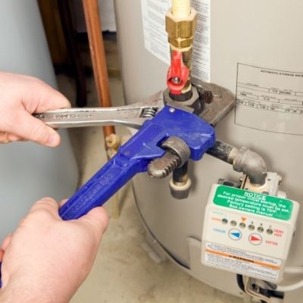
Sediment builds up in the bottom of water heater tanks over time, reducing efficiency and putting stress on the heating element. A flush once a year helps extend the life of the unit significantly.
Signs your water heater needs attention:
Rumbling or popping sounds during heating - that's sediment
Water that takes longer to heat up than it used to
Discolored or rusty water from hot taps
The unit is more than 8 to 10 years old and has never been serviced
We check pressure relief valves, anode rods, and connections during a water heater inspection. It's one of the most overlooked maintenance items in a home - and one of the ones with the highest consequence when it fails.
5. Slow Drains and Drain Lines
Slow drains after winter are common - grease, hair, and soap buildup accumulate faster when people spend more time indoors. If multiple drains are slow, it's often a sign of a main line issue rather than individual clogs.
What to watch for:
Drains that gurgle when other fixtures are used
Sewage odors from floor drains
Multiple fixtures backing up at the same time
Avoid chemical drain cleaners — they can damage pipe walls over time. If you've got a persistent slow drain or multiple drains performing badly, give us a call. We'll tell you what's actually going on.
Common Spring Plumbing Questions from Central and Southern Ohio Homeowners
Q: I had a pipe freeze this winter but it didn't burst. Does it need to be checked?
A: Yes. A pipe that freezes without bursting can still have weakened walls, hairline cracks, or damaged fittings. We'd rather find it before it becomes a problem. Call us and we'll take a look.
Q: My water pressure seems lower than usual after winter. Why?
A: Reduced water pressure after winter can mean a partial blockage from scale buildup, a slow leak somewhere in the line, or a damaged pressure regulator. It's worth having it checked — low pressure sometimes signals a problem that worsens quietly.
Q: How often should I replace my sump pump?
A: Most sump pumps last seven to ten years with regular maintenance. If yours is in that range or older, and especially if it's never been serviced, spring is the right time to have it evaluated. Replacing a working but aging pump proactively is far less expensive than replacing a flooded basement.
Q: What should I do before turning on my outdoor irrigation or hose bibs for the first time?
A: Turn the water on slowly and watch both the exterior faucet and the shutoff valve inside the house for any signs of leaking. Don't leave the water running unattended the first time. If you see any moisture inside the house, shut the water off and call us.
Q: My water heater is 12 years old and hasn't had a problem. Should I replace it?
A: We'll give you an honest answer - not a sales pitch. At 12 years, a water heater is past the average lifespan for most residential units (typically 8 to 12 years). Whether it makes more sense to maintain or replace depends on the condition of the unit, the type, and your household's needs. Schedule an inspection and we'll tell you what we find.
Why People Trust Accurate Heating, Cooling & Plumbing with Their Plumbing
We're a veteran-owned, faith-based company, and we've been your neighbors in Central and Southern Ohio since 1977. When we come to your home, we'll tell you what we find - honestly - and give you real options without upsell pressure.
"We'll check it all - and we'll tell you the truth about what we find." That's how we've done it since the beginning.